
Tea is liquid wisdom.
By: Compiled from various sources | Published on Jan 27,2026
Category Spiritual Quotes
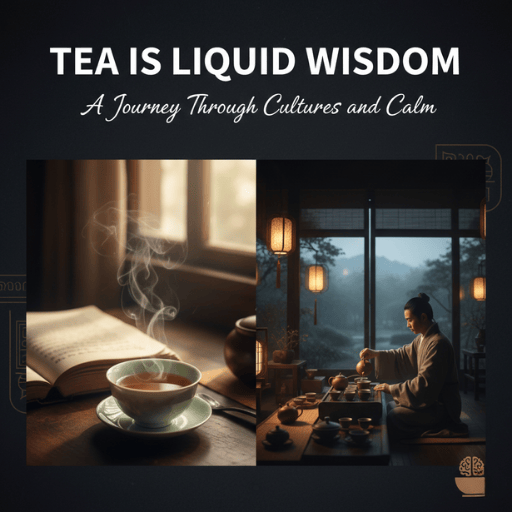
About This Quote
This elegant and simple observation doesn't come from a famous philosopher or ancient sage—it emerges from the thousands of years of tea culture that spans continents and civilizations. From the Chinese tea ceremonies dating back to the Tang Dynasty, to the Japanese art of chanoyu, to the British afternoon tea tradition, to the chai culture of India—tea has been intertwined with contemplation, conversation, and consciousness across human history.
While we cannot attribute this quote to a single person, its sentiment has been expressed across cultures for millennia. The Zen Buddhists who developed tea ceremony as spiritual practice understood it. The British who used tea time as a moment of civilized pause understood it. The countless grandmothers who've solved life's problems over cups of tea understood it. Tea isn't just a beverage—it's a vehicle for wisdom, a catalyst for clarity, a liquid meditation that slows you down enough to think clearly.
Why It Resonates
Think about when you drink tea. Not coffee—coffee is fuel, energy, the thing that jolts you into action. Tea is different. Tea asks you to slow down. To wait while it steeps. To sit while it cools. To sip, not gulp. Tea creates space.
And in that space—that pause, that moment of stillness—something happens. Thoughts settle. Emotions calm. Perspective returns. That problem that seemed overwhelming when you were rushing through your day? It looks different when you're holding a warm cup of tea, watching the steam rise, letting your mind rest for a moment.
Tea has this remarkable ability to transform moments. A difficult conversation becomes more civil when tea is present. A stressful situation becomes more manageable when you take five minutes to make tea. A decision that felt impossible becomes clearer after sitting quietly with tea. It's not magic—it's wisdom. The wisdom of pausing. The wisdom of ritual. The wisdom of presence.
Think about the phrase "let's have tea and talk about it." That's not just about the beverage. It's about creating the conditions for wisdom to emerge. Tea time is slow time. Thoughtful time. Present time. You can't rush tea—and that's exactly the point. It forces you to be here, now, in this moment, with this person, having this conversation.
The quote "tea is liquid wisdom" captures something everyone who drinks tea regularly knows intuitively: tea makes you wiser. Not because it contains some magical ingredient for intelligence, but because the practice of drinking tea creates the mental space where wisdom can surface. The slowing down. The ritual. The warmth. The pause. These are the conditions that allow wisdom to speak.
The Science and Culture Behind It
Tea has been scientifically studied for its effects on cognition and mental state. The combination of caffeine and L-theanine (an amino acid found almost exclusively in tea) creates a unique mental state: alert but calm, focused but relaxed. Unlike coffee's jittery energy, tea provides what researchers call "calm alertness"—the ideal state for clear thinking and wise decision-making.
Studies show that L-theanine increases alpha brain wave activity, which is associated with relaxed alertness and creative thinking. It also increases levels of GABA, serotonin, and dopamine—neurotransmitters that regulate mood, focus, and mental clarity. This isn't just folk wisdom—it's neurochemistry.
But the wisdom of tea goes beyond its chemical composition. Anthropological research on tea cultures worldwide reveals a consistent pattern: tea drinking is ritualized across cultures as a practice that encourages contemplation, conversation, and community. The Japanese tea ceremony is explicitly designed as a moving meditation. British afternoon tea created a societal pause for reflection and connection. Indian chai culture turns tea time into a social ritual of sharing and discussion.
Research on rituals shows they have psychological benefits independent of the substances involved. The act of making tea—measuring, steeping, waiting—creates a mindful pause in your day. Studies on mindfulness and decision-making show that even brief moments of present-moment awareness improve judgment and clarity.
There's also fascinating research on "thermal comfort" and cognition. Holding something warm (like a cup of tea) activates the insula—a brain region involved in emotional regulation and self-awareness. The physical warmth of tea literally helps you think more clearly and feel more emotionally balanced.
Cultural historians note that many of history's greatest ideas and wisest conversations happened over tea. Philosophers, writers, activists, and leaders have used tea time as thinking time. It's not coincidence—it's creating the conditions for wisdom to emerge.
The Deeper Meaning
This quote is teaching you about the relationship between pace and wisdom. In a world that glorifies speed, busyness, and constant action, tea is a radical act of slowing down. And wisdom requires slowness. You can't rush insight. You can't force clarity. You can't hustle your way to understanding.
Wisdom emerges in the gaps—the pauses between actions, the space between thoughts, the stillness between words. Tea creates those gaps. It forces you to stop, to wait, to be present. And in that forced pause, wisdom has room to surface.
The "liquid" part of the quote is also significant. Wisdom isn't solid, fixed, permanent. It's fluid, adaptable, flowing. Like tea, it takes the shape of the vessel—the situation, the context, the moment. The same cup of tea tastes different on a cold morning versus a hot afternoon. The same wisdom applies differently to different situations.
And tea, like wisdom, must be consumed when it's ready. Too soon, it's too hot and burns you. Too late, it's cold and unpleasant. There's a right time—a moment of readiness—when tea is perfect and wisdom is accessible. Part of wisdom is learning to wait for that moment.
The deeper truth is that wisdom isn't just about what you know—it's about your state of being. You can have all the information in the world and still make unwise decisions if you're stressed, rushed, or disconnected. Tea doesn't give you new information—it changes your state. It creates the inner conditions (calm, present, reflective) where wisdom can emerge from within you.
Living This Truth
Create daily tea rituals. Not as another task to rush through, but as intentional pauses in your day. Morning tea before the chaos begins. Afternoon tea as a reset. Evening tea as a wind-down. These aren't wasted time—they're wisdom time. Moments when you give yourself permission to think, feel, and be present.
Use tea as a tool for difficult decisions. When you're stuck on a problem or facing a challenging choice, don't force it. Make tea. Sit with it. Let your mind wander while you wait for it to steep, while you sip it slowly. The answer often comes not through more thinking but through the space that tea creates.
Transform difficult conversations with tea. "Let's talk over tea" isn't just polite—it's strategic. Tea slows conversations down, reduces defensiveness, creates a more contemplative atmosphere. The ritual of making and sharing tea shifts the energy from confrontation to connection.
Practice tea meditation. Not as a formal spiritual practice (unless you want that), but simply as being fully present while making and drinking tea. Notice the water boiling. Watch the color change as it steeps. Feel the warmth in your hands. Taste each sip fully. This simple practice trains presence—the foundation of wisdom.
Share tea with others. Tea culture across the world recognizes that wisdom emerges in community. Some of life's wisest insights come from conversations over tea. Make tea for a friend who's struggling. Invite someone for tea instead of coffee. Create space for the kind of slow, thoughtful conversation that coffee doesn't allow.
And remember: the wisdom isn't in the tea itself—it's in the pause, the presence, the ritual, the slowing down that tea requires. The tea is just the excuse to create the conditions where wisdom can emerge.
Your Reflection Today
When was the last time you actually paused—truly stopped—and gave yourself space to think clearly?
What decision or problem in your life right now could benefit from some "tea time"—some slow, contemplative, present attention?
How often do you rush through your days without creating any space for wisdom to emerge?
Here's what this tea wisdom wants you to understand: You are moving too fast for wisdom to reach you. You're rushing from task to task, thought to thought, decision to decision, without creating any space for clarity to emerge.
Wisdom isn't found in speed. It's not discovered through hustle. It doesn't show up when you're stressed, frantic, and mentally scattered.
Wisdom emerges in stillness. In slowness. In the gaps between actions. In the pause you create when you stop doing and allow yourself to simply be present.
And tea? Tea forces that pause. You can't rush tea. You have to wait for it to steep. You have to let it cool. You have to sip it slowly. You have to be present with it.
That forced slowness? That's not a bug—it's a feature. That's tea doing its job. Creating space. Building pause. Demanding presence.
And in that space, that pause, that presence—wisdom surfaces.
The problem you couldn't solve while rushing through your day? It untangles while you're sipping tea. The decision that felt impossible when you were stressed and scattered? It becomes clear while you're waiting for the tea to steep. The perspective you lost in the chaos of life? It returns while you're holding a warm cup, watching the steam rise, being here now.
Tea is liquid wisdom not because it contains wisdom, but because it creates the conditions where your own inner wisdom can emerge. You already have the wisdom—you just haven't created the space to hear it.
So make space. Slow down. Make tea.
Not because you need caffeine (drink coffee for that). Not because you're thirsty (drink water for that). But because you need wisdom. You need clarity. You need to think clearly about something that matters.
And wisdom requires what tea provides: pause, presence, ritual, slowness, contemplation.
That decision you're struggling with? Don't force it. Make tea first. That conversation you're dreading? Invite them for tea. That problem that's overwhelming you? Take a tea break. Not as procrastination—as wisdom cultivation.
Tea isn't a productivity hack. It's the opposite. It's an anti-productivity ritual that reminds you that some things can't be rushed, some insights can't be forced, some wisdom can only emerge when you stop trying so hard and just... be present.
So today, right now, pause. Make tea. Sit with it. Be with it. Let it be exactly what it is: liquid wisdom.
Not magic. Not mystical. Just the simple, profound practice of slowing down enough to let wisdom surface.
Sip slowly. Think clearly. Be present.
That's liquid wisdom. ☕🍵✨
Amazon Affiliate Disclosure
As an Amazon Associate I earn from qualifying purchases.
Comments
No comment yet. Be the first to comment